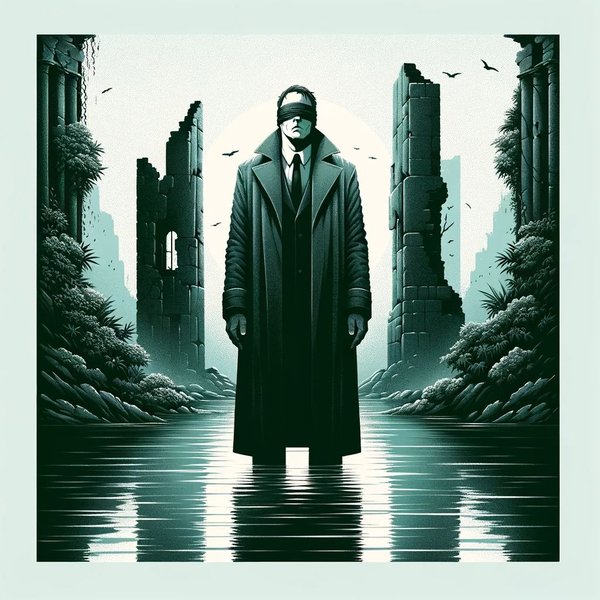
Album
НостальгияNostalʼgiya
Nostalgia
ПолуживыеPoluzhivyeПолуживыеPoluzhivye2023
“Nostalgia” as a title belongs not to the father but to the son.
7 songs30 minutes
.mdLike many people, I ran my first experiments with Suno on poems by the classics. At some point I had the idea of making “albums,” each on the poems of a single poet. The choice fell on Tarkovsky most likely because of Dad’s love — and not even for the poet himself so much as for his son, the director (Nostalgia was one of his favourite films).
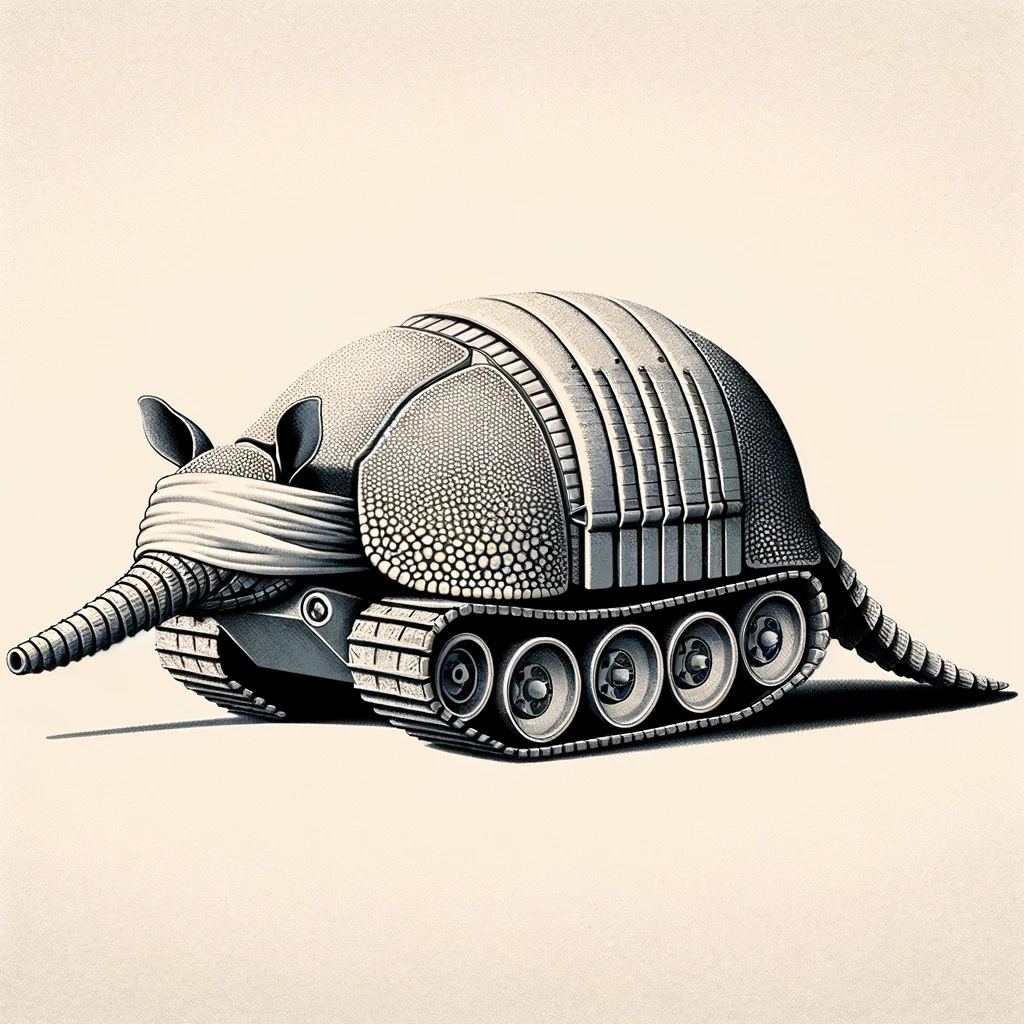
At first the album was going to be called “Tarkos,” a play on Emerson, Lake and Palmer’s Tarkus, and then the cover might have looked something like this:
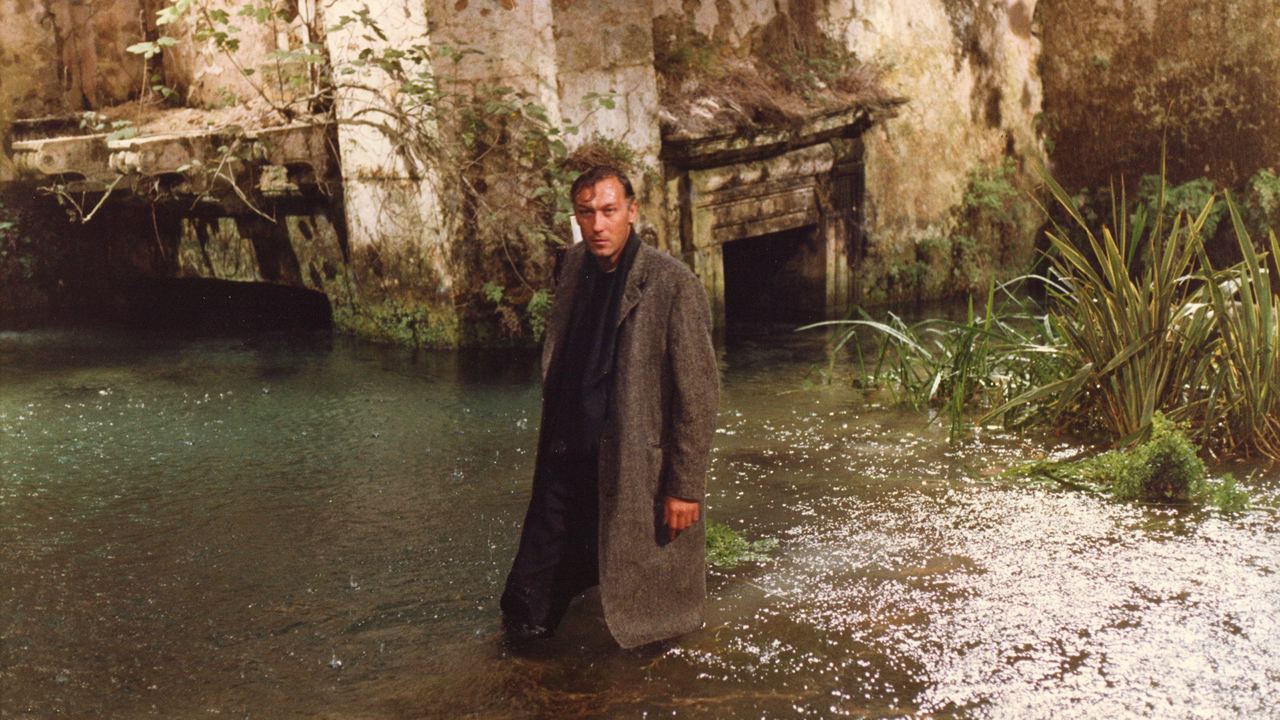
But in the end it did become “Nostalgia,” with a cover inspired by a still from that very film:
That the title belongs not to the father but to the son started, without my noticing, the very thread between parents and children that later, after Dad’s death, was sewn into Father RiverFather River.
Just as “by chance,” the choice of poems for the album and their order added up to a nostalgic story of their own: the packed suitcases and the farewell to childhood in “Invitation to a Journey”; thoughts of what is past — “as if it had never been” — in “Summer Has Gone”; the carefree “Butterfly,” flown off “to China”; “The Actor,” horrified by his ageing reflection; “Insomnia,” tormenting you as you wait for “creditors,” literal or figurative; “burning out at the feast” in “Candle”; acceptance with a dash of Kolychev’s defiance in “Winter in the Forest.”
The name The Half-Alive came, of course, from “Insomnia” too, and it fit everything perfectly: the “not quite alive” AI band, Dad’s condition, and my own mood at the time — and perhaps now as well.